

How is Perfume Made? Learn About the Ingredients, Stages, and Secrets of its Aroma
Have you ever smelled a certain scent and suddenly remembered someone or a special moment in your life?
Perfume indeed has a unique power—more than just a fragrance, it is a form of self-expression, a trigger of memories, and even an instant mood booster. But behind the elegant bottle you spray every day, there is a long process involving science, creativity, and an artistic touch.
Through this article, you will be invited to explore the journey of a perfume: from the selection of ingredients, its manufacturing process, to the secret of why certain scents can feel so distinctive and long-lasting. Check it out!
Basic Ingredients in Perfume Making
Before a perfume can captivate with its aroma, it first originates from a combination of carefully selected basic ingredients. Each component plays an important role in shaping the character of the fragrance—from the initial scent that is immediately noticeable when first sprayed, to the fragrant trail that lingers for hours afterward.
Here are some key ingredients in perfume making:
-
Essential oils and Absolutes
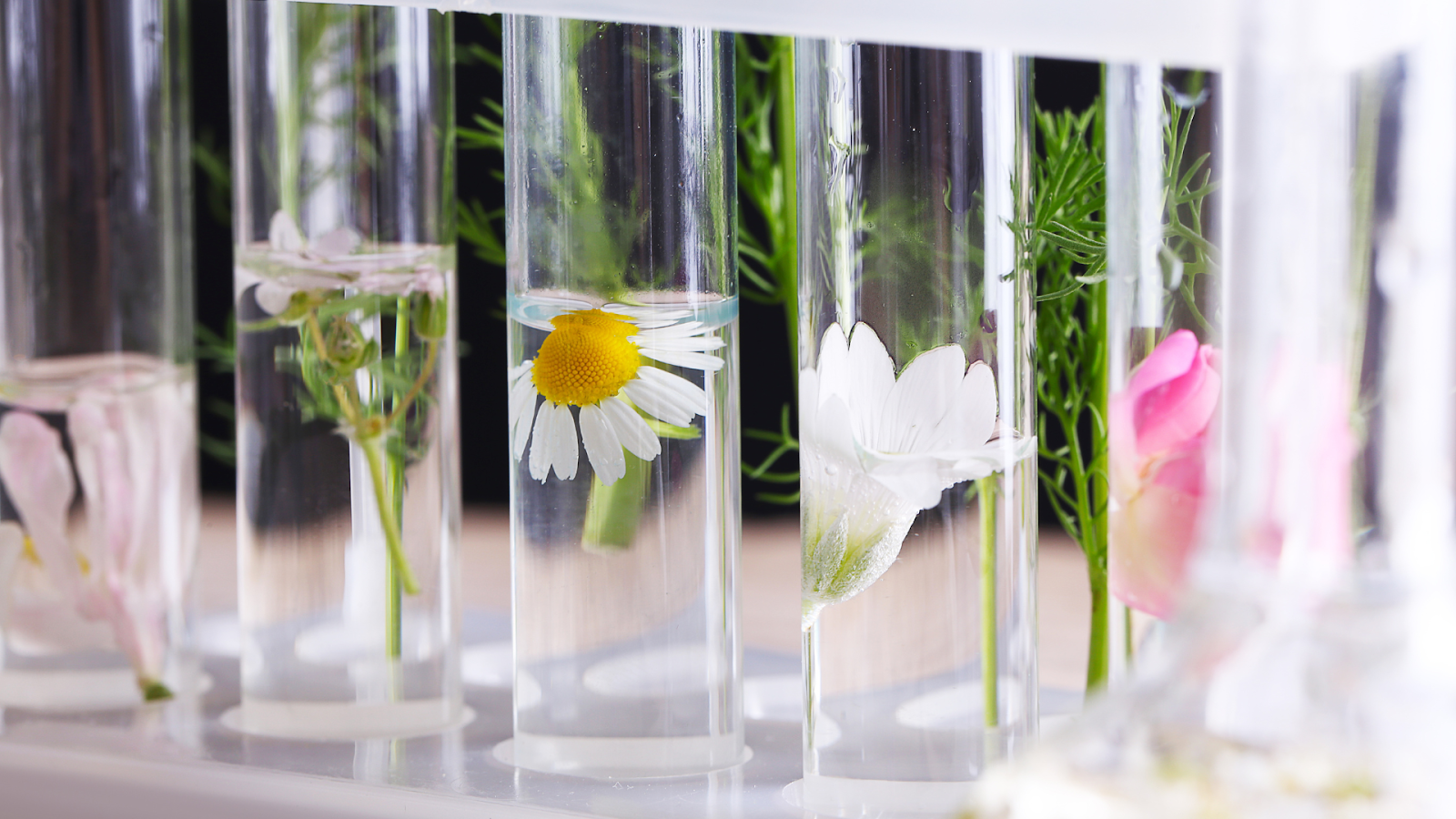
Essential oils are the "soul" of perfume. They are derived from the extraction of plants such as flowers, leaves, wood, or fruit peels. For example, rose oil, lavender, or vetiver. Meanwhile, absolutes are produced through a more complex extraction method and are usually used for more sensitive ingredients, such as jasmine or tuberose.
These two ingredients provide the main aroma in perfume, and their selection greatly determines the overall character of the fragrance—whether it will feel fresh, sweet, woody, or oriental.
-
Alcohol and Solvents
Once the main aroma is determined, it is mixed with pure alcohol, usually ethanol, which acts as a solvent. Alcohol helps to diffuse the scent when the perfume is sprayed and also accelerates evaporation so that the layers of aroma can be smelled one by one (top, middle, and base notes).
The alcohol content also determines the type of perfume, for example, Eau de Parfum (with an essential concentration of 15–20%) or Eau de Toilette (with a lower concentration).
Read more: Types of Perfume Based on Concentration: Choose the Right Perfume for You!
-
Fixative (Aroma Balancer)
Fixatives are ingredients used to stabilize the aroma and slow down evaporation. Their function is to make the perfume last longer on the skin. These ingredients can come from natural sources such as ambergris or musk (nowadays often replaced by more environmentally friendly synthetic versions).
Although their quantity in the perfume composition is not large, fixatives play a big role in providing the "long-lasting" impression often sought by perfume lovers.
The Perfume Making Process: From Lab to Bottle
Making perfume is a blend of art and science. The process is not as simple as mixing fragrant ingredients, but rather a series of stages performed with high precision.
Behind the captivating aroma, there is in-depth research, meticulous blending, and the time needed to produce a complete fragrance composition. Here are the complete stages:
1. Material Selection and Concept

Everything starts with an idea—will this perfume have a fresh, sweet, warm, or exotic scent? This concept becomes the basis for selecting raw materials. The perfumer or creative team will determine the direction of the desired aroma, then select supporting ingredients, either from natural sources such as flowers, wood, spices, or from safe and tested synthetic compounds.
Each ingredient is chosen not only based on its aroma but also its stability, how it interacts with other ingredients, and its durability on the skin.
2. Formulation and Blending
The next stage is the blending process. This is where the perfumer's role is very important. They arrange the fragrance composition based on the structure of top notes (the aroma that is smelled first), middle notes (the core aroma that appears after a while), and base notes (the base aroma that lasts the longest).
Blending requires precision and often goes through dozens to hundreds of trials until a formula that matches the initial concept is found.
3. Aging or Maturation

After the ingredients are mixed, the mixture is not immediately used. An aging or maturation process is needed so that all aroma components can blend and achieve harmony. The mixture is usually stored in a closed container for several weeks to months, depending on the complexity of its composition.
This stage is similar to the maturation process in wine—the longer it ages, usually the smoother and more balanced the aroma.
4. Filtration
After the maturation process is complete, the perfume mixture will go through a filtration stage. The purpose is to remove small particles or residues from the remaining natural ingredients. The end result of this process is a clear and clean perfume liquid, ready to be packaged.
5. Packaging
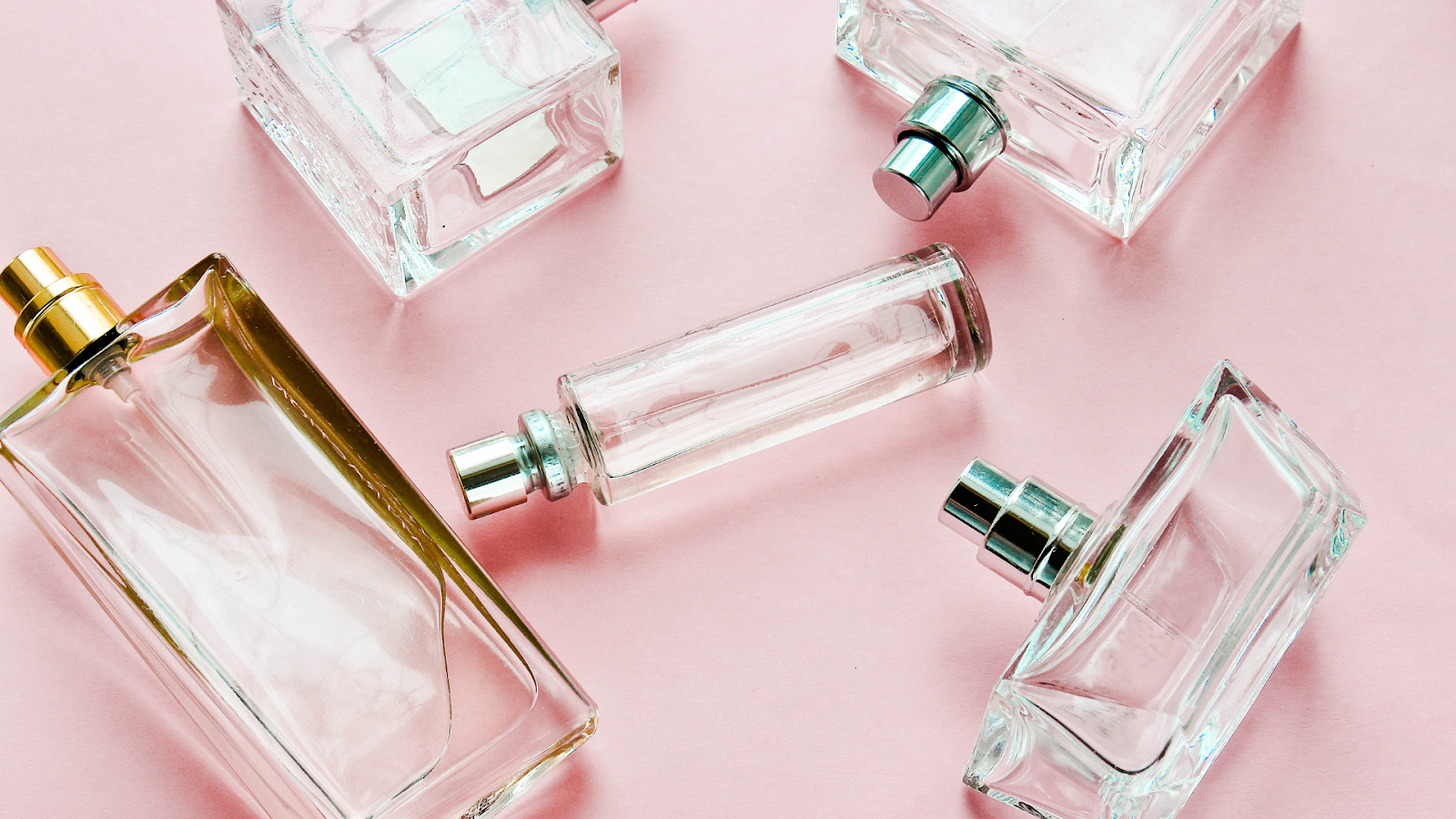
The final stage is packaging. This is not just about pouring perfume liquid into a bottle, but also about how the product is presented to consumers. The design of the bottle, label, and outer packaging are all designed to match the identity of the aroma within.
Some perfume brands consider packaging as part of storytelling. An elegant or unique bottle can be a distinct attraction, while also strengthening the impression of exclusivity of the fragrance.
Factors Affecting Perfume Quality
Not all perfumes are created equal. Although two perfumes may look similar from the outside—an elegant bottle, an alluring scent when first sprayed—their quality can be very different.
So, what determines whether a perfume is of high quality or not? Here are some key factors that influence perfume quality:
-
Concentration of Essential Oils
One of the main determinants of perfume quality is the essential oil content. The higher the concentration, the more intense and long-lasting the aroma.
Quality perfumes usually have a concentration between 15–30% (commonly called Eau de Parfum or even Perfume Extract), while Eau de Toilette has a lower concentration and tends to evaporate quickly.
-
Quality of Raw Materials
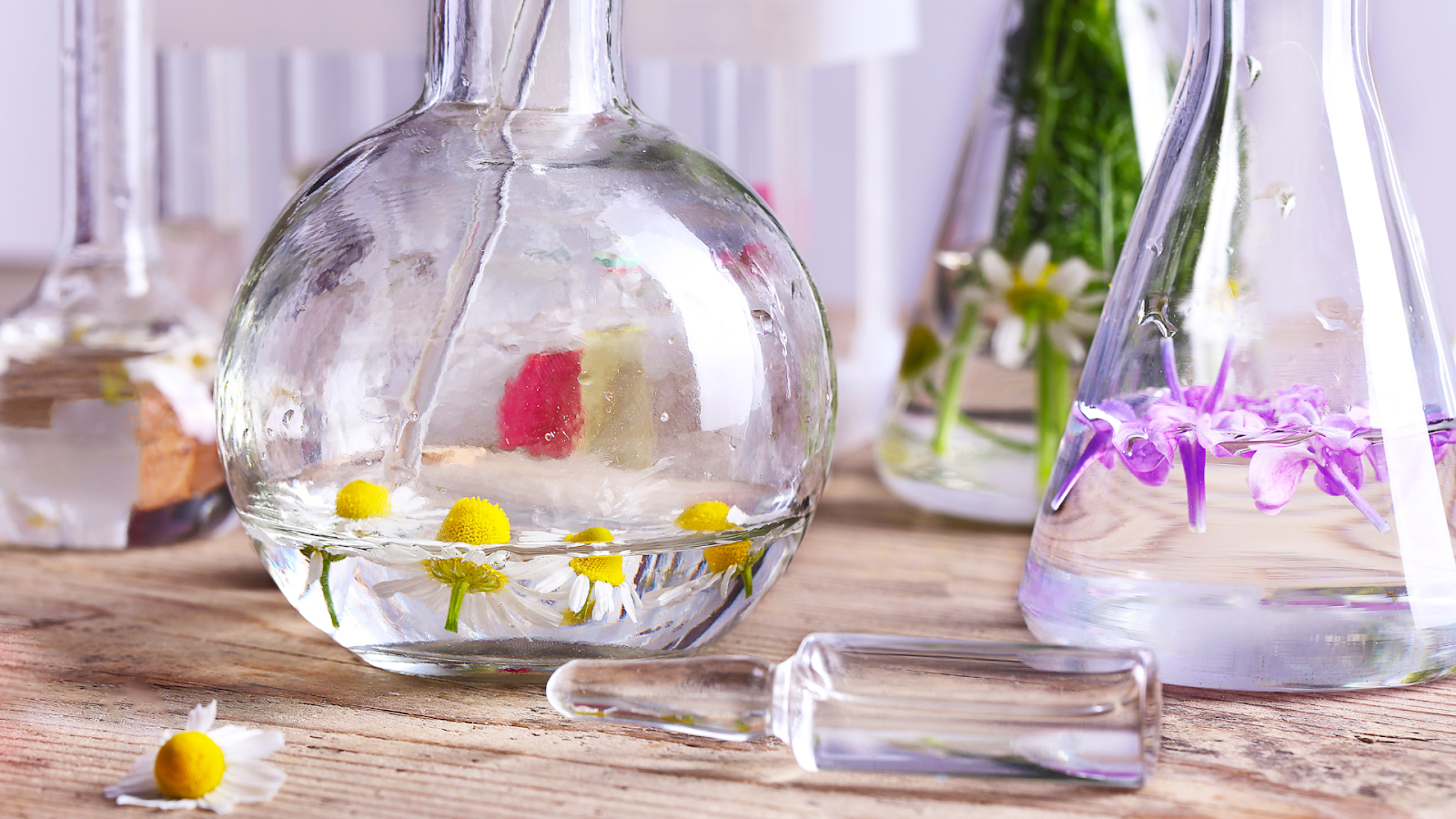
Not all aromatic ingredients are created equal. For example, essential oil from roses grown in Grasse, France, has a different aroma from roses grown in other regions. The same goes for synthetic ingredients—some are formulated with great precision and safety, while others are of low quality and can cause irritation.
Premium perfumes usually use raw materials that have undergone strict filtration and testing processes to ensure a soft, balanced, and skin-safe final result.
-
Structure of Aroma Composition
Quality perfumes have a balanced and layered aroma composition—starting from fresh top notes, middle notes that form the main character, to base notes that leave a long-lasting trace of aroma. This structure makes the aroma more "alive," while providing a pleasant experience throughout the day.
Conversely, perfumes that do not have a clear aroma structure usually feel flat and disappear quickly.
-
Meticulous Manufacturing Process
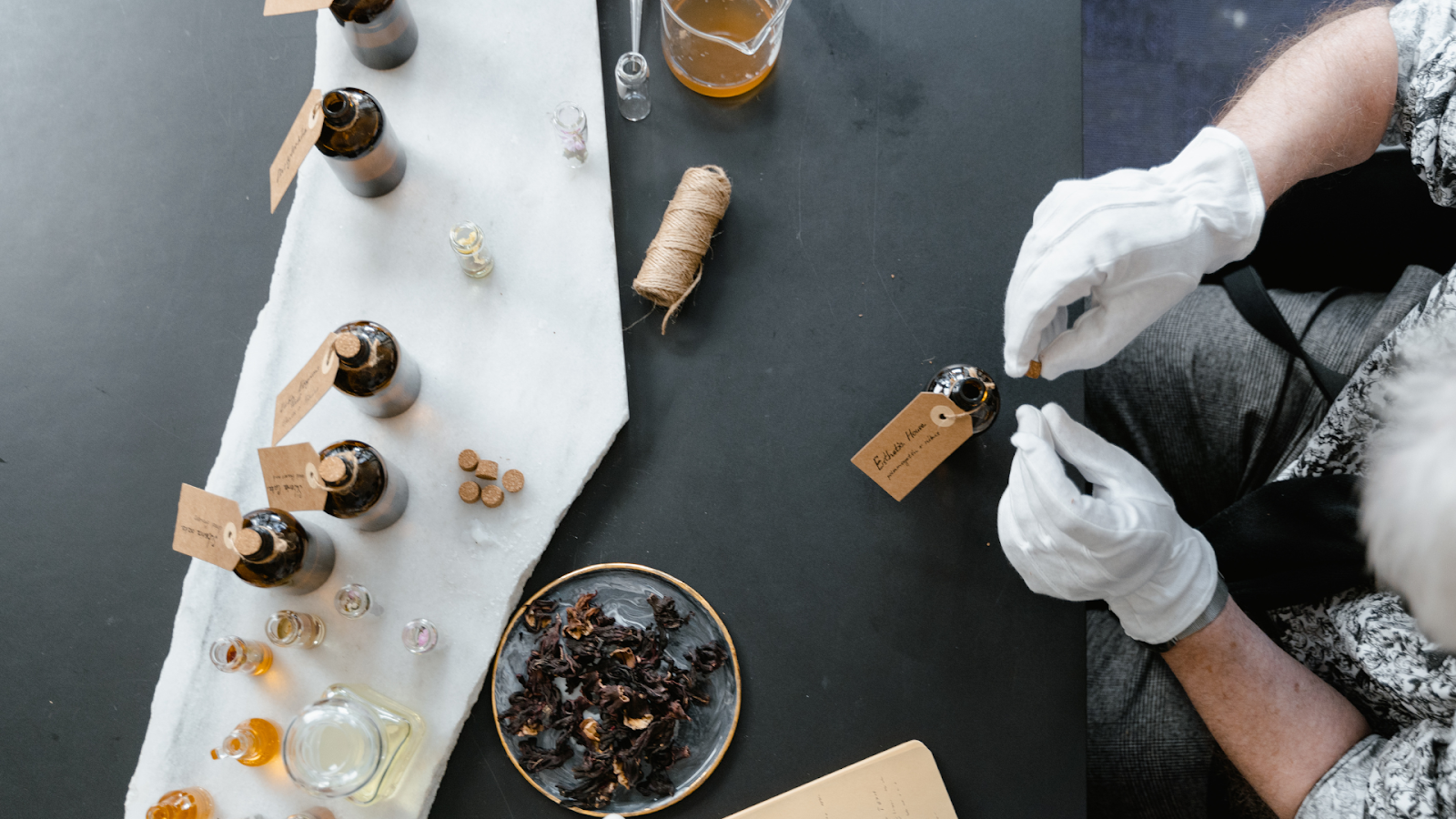
From blending, aging, to filtration—every stage of perfume making affects the final result. Perfumes made with a rushed process often result in an aroma that is less blended and easily changes when exposed to body temperature.
Brands that focus on quality will take the time to ensure each batch of perfume is consistent in terms of aroma and performance.
-
Longevity and Scent Projection
Perfume quality can also be seen from how long it lasts on the skin and how far its aroma can be smelled by people around (known as sillage or projection). High-quality perfumes usually have a balance between longevity and projection—not too overpowering, but also not quick to disappear.
In addition to relying on ingredients, this factor also considers how the perfume "interacts" with the wearer's skin, temperature, and environmental humidity.
Why is it Important to Choose Perfume with a Quality Process?
Behind the diverse choices available on the market, not all perfumes are made with the same quality and meticulousness. Choosing a perfume produced through a quality process is about experience, comfort, and long-term value.
-
Richer and Layered Aroma
Quality perfumes have an interesting aromatic journey. From the fresh scent that appears at the beginning, to the core aroma that becomes its characteristic, to the soft fragrance that lasts long—all of this can only be created through careful formulation and aging processes.
You can feel the real difference between perfumes that are just mixed haphazardly and those designed by perfumers who truly understand the structure and balance of aromas.
-
Long-lasting Without Needing to Reapply Repeatedly
Perfumes that go through a quality manufacturing process usually have good sillage and longevity. This means that the aroma does not evaporate quickly and can last all day without having to be reapplied frequently. Besides being practical, this is also more economical in the long run.
Quality perfumes will interact optimally with body temperature and skin moisture, making them more stable and long-lasting.
-
Safe for Skin and Does Not Cause Irritation

The quality of ingredients and the manufacturing process also greatly affect the safety aspect. Products made with high-quality ingredients, dermatologically tested, and free from harmful compounds will be much safer for daily use.
Choosing a perfume from a brand that cares about process and safety means you also care about your own skin health.
-
Provides More Emotional Value
Perfume is not just about fragrance, but also about confidence, memories, and identity. Perfumes with a good quality process tend to have a more unique and personal aroma character, not generic. Wearing it feels like wearing a part of your own personality.
Ultimately, a good perfume will make you feel "complete"—ready to face the day with confidence, whether at work, on a date, or just relaxing.
Perfume is Not Just a Scent—It's a Story You Wear
Understanding the perfume making process from start to finish makes us appreciate every spray we use every day even more. Behind the captivating aroma, there is meticulousness in selecting ingredients, expertise in blending compositions, and time spent to produce a long-lasting and characterful fragrance.
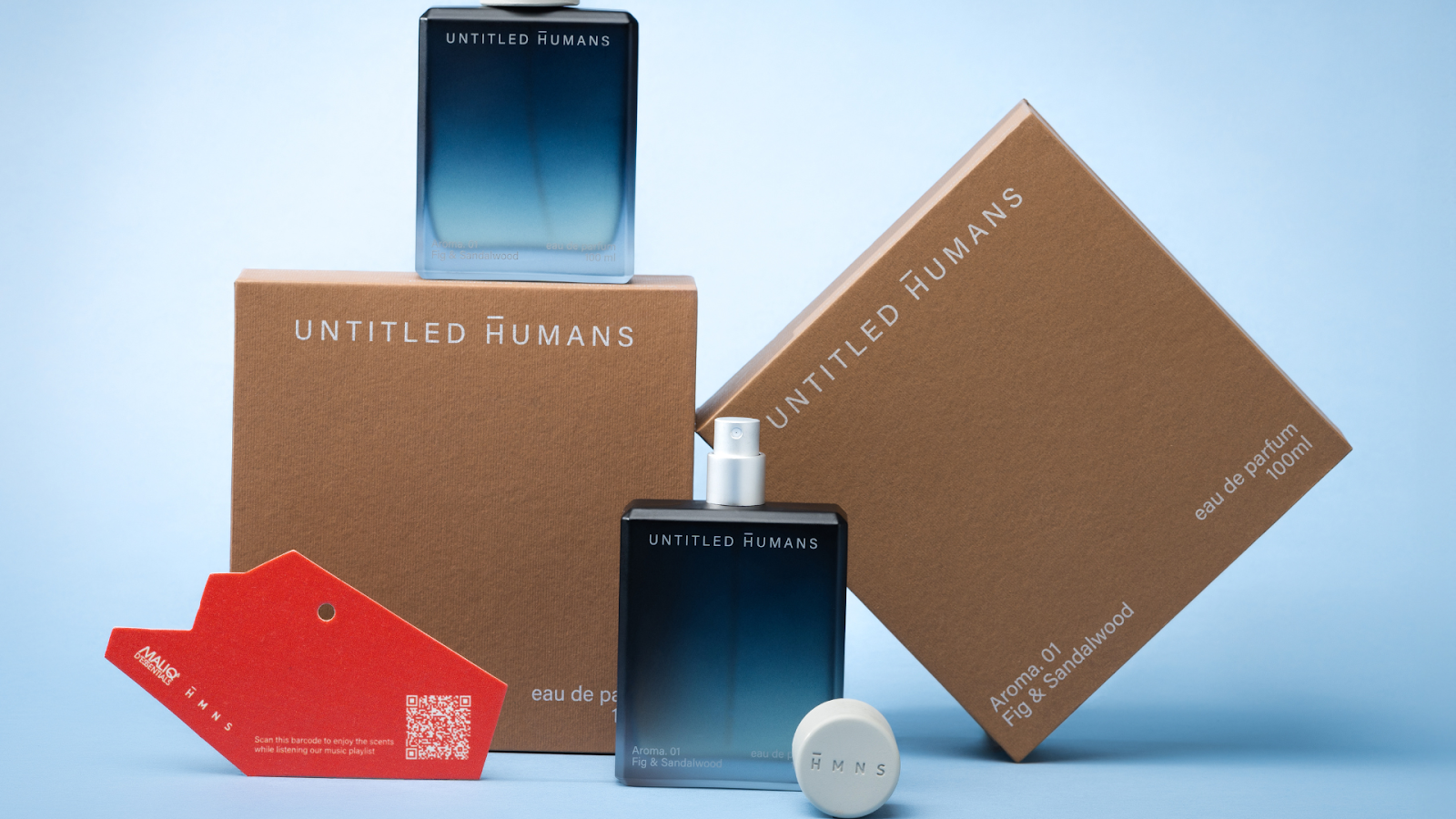
For those of you looking for local perfumes with high standards and distinctive aroma characteristics, HMNS can be the right choice.
Jadi, lain kali Anda menyemprotkan parfum favorit Anda, ingatlah bahwa di dalam botol kecil itu tersimpan cerita, ketelitian, dan sentuhan seni. Siapa tahu—parfum itu bisa menjadi ciri khas baru yang melekat dalam setiap langkah Anda!
